
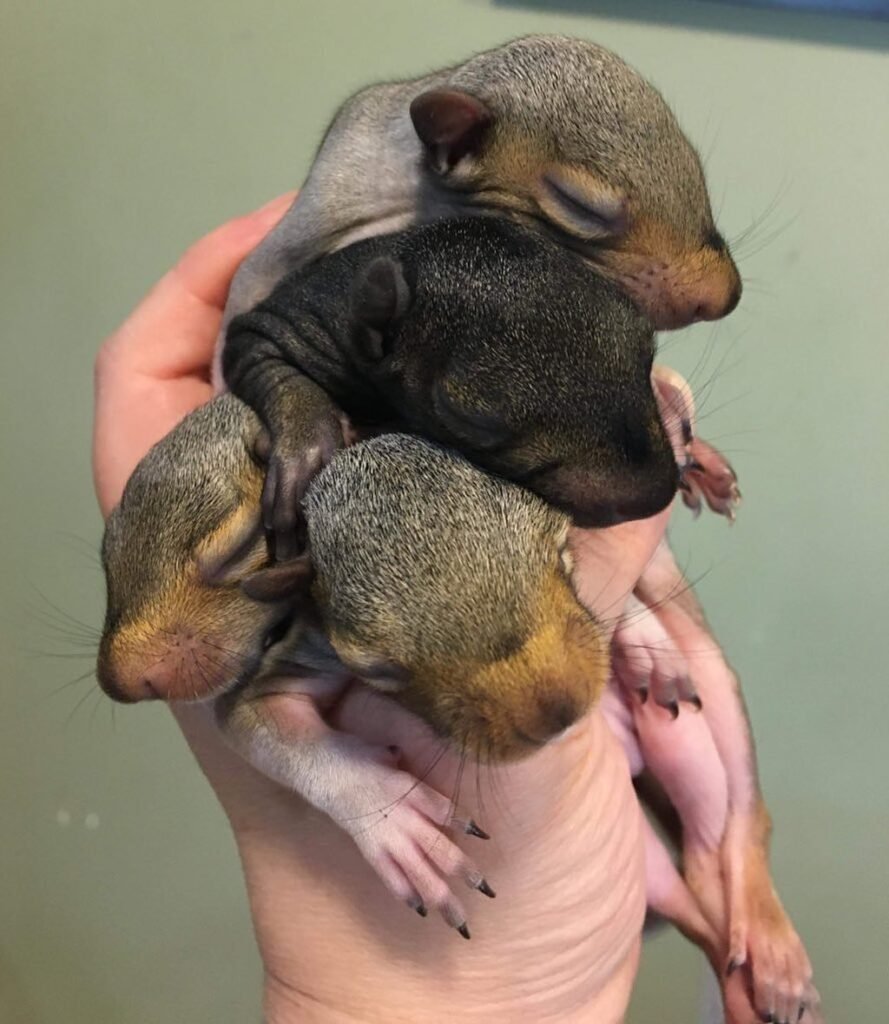
Ultimate Guide to Buying a Squirrel – Legal Pet Squirrel Ownership & Care Tips
Looking to buy a squirrel? , Guide to Buying a Squirrel. Learn how to buy a squirrel safely and legally. Discover squirrel care, diet, and trusted breeders in our ultimate squirrel buying guide.
Guide to Buying a Squirrel: Everything You Need to Know
Thinking about getting a pet squirrel? These energetic, intelligent, and curious creatures make fascinating companions when cared for properly. However, buying a squirrel involves legal, ethical, and practical considerations that every potential owner must understand.
1. Check Squirrel Ownership Laws First
Before buying a squirrel, research your local and state laws on exotic pet ownership. Some states permit pet squirrels under a wildlife or exotic pet license, while others restrict or prohibit ownership.
Always verify current regulations through your state wildlife department or resources such as the U.S. Fish & Wildlife Service
2. Choosing a Trusted, Licensed Breeder
Ethical sourcing is key to a healthy, well-socialized squirrel. Only buy from a USDA-licensed breeder with verifiable health records and experience in exotic mammals. Ask for:
- Veterinary health certificates
- Proof of legal breeding license
- Information on diet and socialization
For animal welfare and care standards, review the American Veterinary Medical Association (AVMA)
3. Cost and Setup for Pet Squirrels
The price of a squirrel for sale varies from $400 to $1,000 depending on the species (e.g., flying squirrel, gray squirrel, or red squirrel) and breeder reputation.
Be prepared to invest in:
- A spacious cage with climbing branches
- A safe, quiet indoor environment
- Toys for mental stimulation
- Balanced diet (nuts, fruits, veggies, and specialized feed)
Learn more about small mammal nutrition from Penn State Extension – Wildlife and Exotic Animal Care
4. Feeding and Care Tips
Pet squirrels thrive on a natural diet rich in nuts, fruits, vegetables, and proteins. Avoid processed foods or sugary treats. Provide constant access to clean water and regular veterinary checkups.
For additional information, explore University of California, Davis – Veterinary Medicine
5. Behavior and Socialization
Squirrels are playful but require patience and socialization from a young age. If hand-raised, they bond quickly with their caretakers. Provide daily playtime, climbing structures, and a stimulating environment to prevent boredom or destructive behavior.
6. Ethical Considerations
Wild squirrels should never be taken from nature to be kept as pets. Responsible ownership begins with ethical breeding and long-term commitment. Squirrels can live up to 10 years in captivity, requiring daily attention and care.
If you’re unsure about long-term care, consider squirrel adoption from licensed rehabilitation centers rather than private purchase.
👉 Visit Born Free USA – Exotic Pet Ownership Facts
Conclusion
Owning a squirrel can be a rewarding experience for the right person. By following laws, buying from licensed breeders, and providing quality care, you can give your squirrel a safe and happy home. Always prioritize welfare and legality , because a healthy, loved squirrel is the best kind of companion.
squirrel for sale, buy squirrel, pet squirrel, baby squirrel for sale, squirrel care, exotic pets
SquirrelForSale #BuySquirrel #PetSquirrel #BabySquirrel #ExoticPets #SquirrelCare #LicensedBreeders #AnimalLovers