
Exotic Pets You Can Own Without License in the USA
Discover exotic pets you can own without a license in. Learn state laws, legal requirements, and responsible exotic pet ownership tips.
Interest in exotic pets you can own without license has grown significantly across the United States. However, exotic animal laws vary by state, county, and even city. Before choosing a unique companion, it’s important to verify what is legally allowed in your location.
This guide outlines commonly permitted exotic pets in many U.S. states while emphasizing responsible and legal ownership.
First: Always Check State Laws
Exotic Pets You Can Own Without License.Even if an exotic pet is allowed at the federal level, individual states like Texas, Florida, Nevada, North Carolina, and Indiana may have different requirements.
To confirm legality, consult:
- U.S. Fish & Wildlife Service
- Your state wildlife agency
- Local animal control offices
The Humane Society of the United States also provides guidance on exotic animal regulations and welfare.
Exotic Pets Commonly Owned Without License (In Many States)
1. Hedgehogs.
Hedgehogs are small, nocturnal mammals that are legal in many states without a license (though restricted in places like California). They require specialized diets and temperature-controlled housing.
Care resources:
Cornell University College of Veterinary Medicine
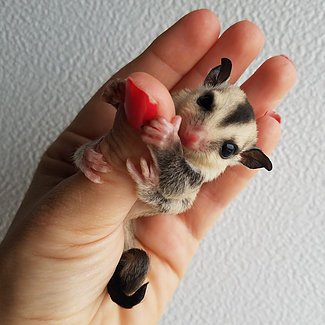
2. Sugar Gliders
Sugar gliders are popular small exotic pets in states such as Texas and Florida (with some restrictions elsewhere). They require companionship, enrichment, and an exotic vet.
Responsible care information:
UC Davis School of Veterinary Medicine
3. Fennec Foxes (In Select States)
Fennec fox ownership is legal without a special license in some states but regulated in others. They require secure enclosures and experienced handling.
Wildlife education resource:
National Wildlife Federation
4. Wallabies (In Certain Rural States)
Some states allow wallaby ownership without a personal wildlife license, though zoning rules often apply. These animals require significant outdoor space.
Ethical wildlife standards:
Association of Zoos & Aquariums
5. Certain Exotic Birds
Parrots, macaws, and cockatoos are widely legal to own without a wildlife license, though importation and breeding are regulated federally.
Bird care guidance:
American Veterinary Medical Association
What “Without a License” Really Means
“Without a license” typically means:
- No state wildlife permit required for private ownership
- No federal endangered species restrictions
- Compliance with local zoning laws
It does not mean:
- No responsibility
- No veterinary care
- No legal consequences for neglect
Even legal exotic pets require long-term commitment and proper care standards.
Responsible Ownership Matters
Before acquiring any exotic pet:
✔ Verify state and county laws
✔ Confirm zoning compliance
✔ Locate an exotic veterinarian
✔ Prepare proper housing and enrichment
Organizations such as the American Society for the Prevention of Cruelty to Animals provide animal welfare guidance.
Final Thoughts
If you’re researching exotic pets you can own without a license in the USA, the key step is legal verification in your specific state. Laws change regularly, and responsible ownership begins with compliance.
When properly researched and legally acquired, certain exotic pets can thrive in experienced homes. Always prioritize animal welfare, legality, and long-term preparedness before making a decision.
Long-Tail Keywords & Search Queries
- exotic pets you can own without a license in Texas
- legal exotic pets in Florida 2026
- no permit exotic pets in Nevada
- small exotic pets legal in North Carolina
- beginner exotic pets allowed in the US