
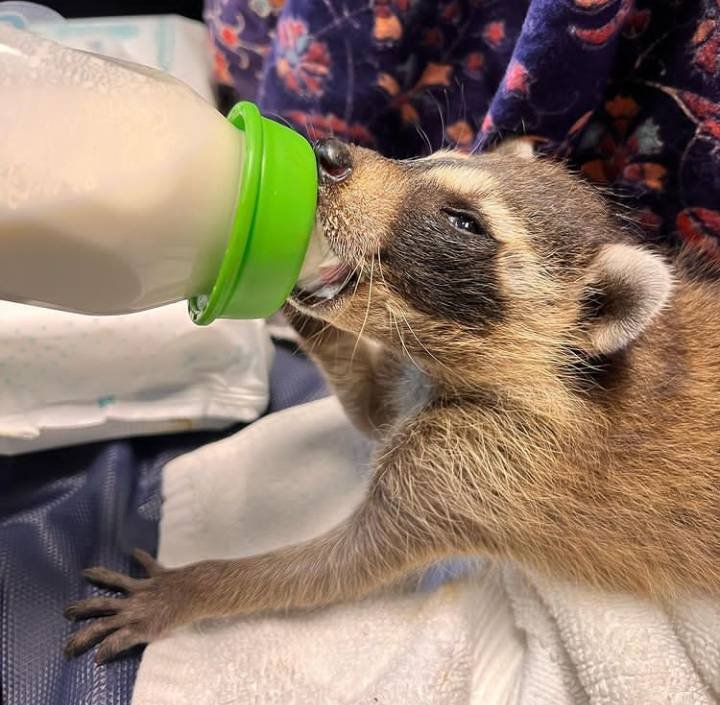
Toxic Foods for Exotic Pets in the USA
Learn about toxic foods for exotic pets . Discover what to avoid, safe diet tips, and emergency guidance for exotic animal care.
Understanding toxic foods for exotic pets is essential for every responsible owner. Because exotic animals have highly specialized diets, feeding the wrong foods can quickly lead to serious illness or even death. Therefore, knowing what to avoid is one of the most important aspects of exotic pet care in the United States.
Why Diet Matters for Exotic Pets
First, exotic pets such as sugar gliders, reptiles, birds, and small mammals have unique digestive systems.
Next, many common household foods that are safe for humans can be toxic to them.
Additionally, improper diets can cause long-term health issues like organ failure or malnutrition.
Finally, access to exotic veterinarians may vary across states like Texas, Florida, Ohio, and Pennsylvania.
For professional dietary guidance, consult the American Veterinary Medical Association
Common Toxic Foods for Exotic Pets
1. Chocolate and Caffeine
Chocolate contains theobromine, which is toxic to many animals, including exotic pets. Even small amounts can cause seizures or heart issues.
2. Avocado
Avocado contains persin, which is harmful to birds and some small mammals.
3. Onions and Garlic
These foods can damage red blood cells and lead to anemia in many species.
4. Dairy Products
Many exotic pets are lactose intolerant, leading to digestive distress.
5. Processed and Sugary Foods
Artificial sugars and preservatives can disrupt metabolism and cause obesity-related diseases.
Common Toxic Foods for Exotic Pets
1. Chocolate and Caffeine
Chocolate contains theobromine, which is toxic to many animals, including exotic pets. Even small amounts can cause seizures or heart issues.
2. Avocado
Avocado contains persin, which is harmful to birds and some small mammals.
3. Onions and Garlic
These foods can damage red blood cells and lead to anemia in many species.
4. Dairy Products
Many exotic pets are lactose intolerant, leading to digestive distress.
5. Processed and Sugary Foods
Artificial sugars and preservatives can disrupt metabolism and cause obesity-related diseases.
Species-Specific Dietary Risks
Because each species is different, toxic foods vary:
- Sugar Gliders: Avoid chocolate, dairy, and processed sugar
- Reptiles: Avoid citrus (for some species) and toxic plants
- Birds: Avoid avocado, caffeine, and alcohol
- Small Mammals: Avoid onions, garlic, and junk food
For detailed species care, refer to the University of California Davis School of Veterinary Medicine
Signs of Food Toxicity
First, watch for vomiting or diarrhea.
Next, monitor unusual lethargy or weakness.
Additionally, look for seizures or abnormal behavior.
Finally, loss of appetite can indicate internal distress.
If any of these symptoms occur, seek immediate veterinary care.
For emergency animal safety information, visit the U.S. Fish & Wildlife Service
Preventing Dietary Accidents
Although accidents can happen, prevention is key:
✔ Keep harmful foods out of reach
✔ Educate family members about safe feeding
✔ Follow species-specific diet plans
✔ Consult an exotic veterinarian regularly
The Humane Society of the United States provides additional pet safety resources:
Final Thoughts
Knowing toxic foods for exotic pets is a critical part of responsible ownership. Because these animals rely on precise nutrition, even small dietary mistakes can have serious consequences.
Therefore, always research your pet’s specific dietary needs and consult a qualified exotic veterinarian when in doubt. With proper knowledge and care, you can ensure your exotic pet stays healthy and safe.
Where to Buy Exotic Pets in the USA
Looking for where to buy exotic pets in the USA? Choose trusted, ethical sources that prioritize animal welfare and legal compliance.
Visit safariexotics.com for guidance, availability, and responsible exotic pet ownership resources.
Many owners search for:
- toxic foods for exotic pets in Texas
- exotic pet diet guide Florida USA
- safe foods for sugar gliders Ohio
- exotic pet nutrition Pennsylvania
- emergency pet poisoning USA
Therefore, understanding local veterinary resources is important for quick response during emergencies.
toxic foods for exotic pets in the USA what foods are dangerous for exotic animals exotic pet diet mistakes USA safe feeding guide for exotic pets Texas Florida emergency poisoning treatment exotic pets USA