
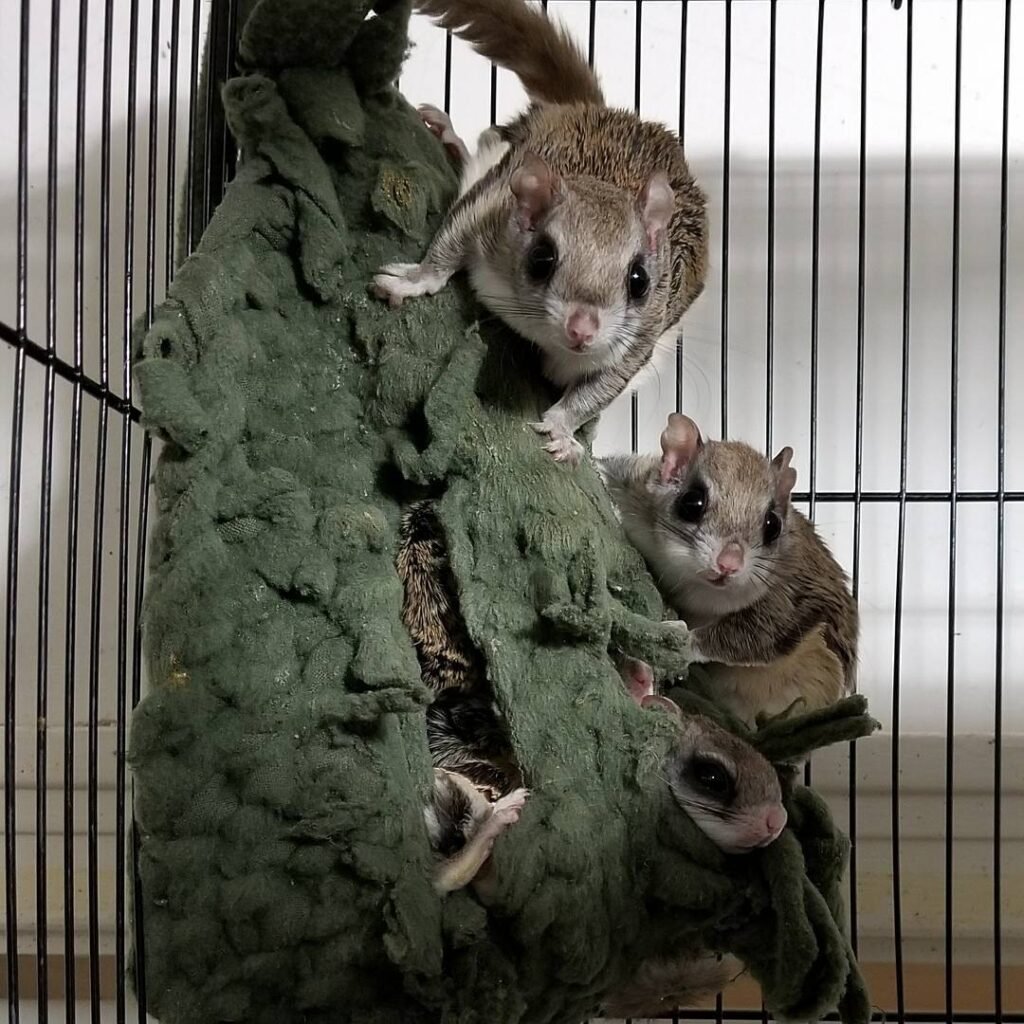
Chipmunks for Sale: Care, Laws & Buying Tips
Discover everything about chipmunks for sale, legal requirements, proper care, and expert resources in this complete chipmunk ownership guide.
Chipmunks are becoming increasingly popular among exotic pet enthusiasts due to their adorable faces, high energy, and playful nature. These small rodents make charming companions for experienced owners who understand their specialized needs. Whether you’re looking for Siberian chipmunks, Eastern chipmunks, or captive-bred domesticated lines, it’s essential to know the laws, care requirements, and ethical guidelines before making a purchase.
This comprehensive guide explains everything you need to know about chipmunks for sale, including how to buy legally, how to care for them properly, and where to find high-quality, expert-backed information.
Why Chipmunks Are Growing in Popularity
1. Small, Manageable Pets
Chipmunks are tiny, lightweight, and easy to house compared to larger exotic pets. Their compact size makes them good for apartments and small homes—provided you supply a spacious enclosure.
2. Highly Entertaining
Chipmunks are fast, curious, and endlessly playful. Their natural behaviors—burrowing, climbing, storing food—make them enjoyable to watch.
3. Unique Exotic Appeal
Unlike common rodents, chipmunks are less domesticated, giving them a “wild but friendly” appeal that many exotic pet lovers seek.
Legal Considerations When Buying Chipmunks
Chipmunks are classified differently across states—some consider them wildlife, others classify them as exotic pets. Always check local and state regulations before purchasing.
Choosing the Right Chipmunk Species
Common options when searching for chipmunks for sale include:
1. Siberian Chipmunks
The most commonly sold species. Social, active, and more adaptable to captivity.
2. Eastern Chipmunks
Native to the U.S., but often regulated more strictly due to wildlife protection laws.
3. Domestically Bred Lines
Some breeders specialize in human-raised, well-socialized chipmunks. These adapt best to life as pets.
Always choose captive-bred, never wild-caught chipmunks.
Essential Chipmunk Care Requirements
1. Housing & Habitat
Chipmunks require large, multi-level cages with burrowing areas, wheels, climbing structures, and hiding spots. Recommended habitat and enclosure standards can be found at: Penn State Extension – Wildlife & Small Exotic Pets , University of Florida IFAS – Wildlife Care Guides:
2. Diet & Nutrition
Chipmunks thrive on:
- Seeds
- Nuts
- Fruits & vegetables
- High-quality rodent blocks
- Insects for protein
Providing a balanced diet prevents malnutrition and obesity.
3. Veterinary Care
Chipmunks need exotic-trained veterinarians for checkups. Top veterinary resources include:
Where to Find Chipmunks for Sale
Chipmunks are typically available from:
- Licensed exotic pet breeders
- USDA-licensed facilities
- Small exotic pet farms
- Reputable exotic pet dealers
Always request:
✔ Proof of captive breeding
✔ Health records
✔ Socialization history
✔ Verification of legality in your state
Avoid wild-caught chipmunks—they’re stressed, illegal in many states, and do not adapt well to captivity.
Final Thoughts: Responsible Chipmunk Ownership
Chipmunks can be delightful and engaging pets if cared for properly and purchased responsibly. Understanding legal requirements, choosing ethical breeders, and learning proper care techniques will ensure a healthy, happy companion.
chipmunks for sale, buy chipmunks online, exotic pets, pet chipmunks, chipmunk care, tame chipmunks, legal chipmunks, wildlife pets, small exotic pets, chipmunk breeders